

How To Make Sure Your Body Shop Only Uses OEM GM Parts
Did you know that most auto body shops use aftermarket replacement parts instead of OEM parts? It’s because insurance companies want to save money by using aftermarket parts. OEM parts cost more than aftermarket parts, in most cases.
It’s always, always better to use OEM parts rather than aftermarket parts. So what do you do if your body shop will only use aftermarket parts on your car?
Just because insurance companies will pay for aftermarket parts by default doesn’t mean that they will never pay for OEM parts. They may agree to pay for OEM parts if you ask them. But first, ask the auto body shop if they’ll use OEM parts.
Why OEM Auto Body Parts Are Better Than Aftermarket Parts
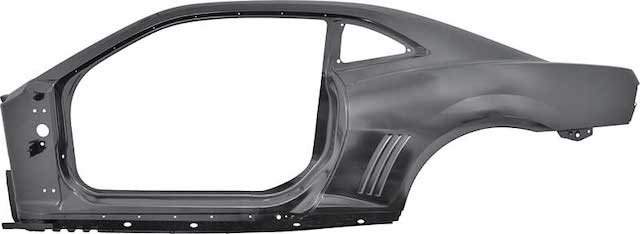
First, let’s talk about why it’s worth the effort to get your auto body shop to use OEM parts. OEM parts are a much better investment than aftermarket parts. It’s because aftermarket parts imitate OEM parts, but they don’t hold a candle to OEM parts. Aftermarket parts aren’t always up to standard when it comes to quality and fitment. A big reason why aftermarket parts are so cheap is because aftermarket companies:
- Use inferior quality materials
- Use low quality production processes
When you use OEM parts, you know exactly what you’re going to get: an exact replica of the part that came with your car. In other words, you’re getting a quality part with exact fitment and high quality materials.
Also, using an aftermarket part on your car reduces the car’s resale value. This is especially true when it comes to auto body parts.
Asking The Auto Body Shop To Use OEM Parts
The first thing to do is simple. Just ask the auto body shop if they can use OEM replacement parts instead of aftermarket parts. This is likely not the first time your auto body shop has received such a request.
If it makes sense for the shop financially, they may agree to use OEM parts. For example, the shop may be able to find genuine OEM parts for the same price as aftermarket parts. They may even already have a resource that offers genuine OEM parts at rock bottom prices.
Most good auto body shops value customer service. They want to work with you. If your body shop doesn’t have a way to get OEM parts at aftermarket pricing, here’s a good suggestion you can make:
Suggest Ordering OEM Parts Online
Here’s something dealerships don’t want you to know: dealerships are not the only authorized sellers of OEM parts. There are a few online retailers who are authorized sellers of genuine OEM GM parts. We're one of them. In fact, we offer the lowest transactional prices you'd find online for genuine OEM GM parts. We offer a variety of OEM parts, including body parts, oil filters, shock absorbers, and more.
Your auto body shop may find our prices quite competitive. If they order genuine OEM GM parts from us, it'll be a win-win situation. You'll get OEM parts on your car, and the auto body shop probably won't lose any money on replacement parts.
If The Body Shop Says No, Ask Your Insurance Company To Cover OEM Parts
If the auto body shop won't budge, all is not lost. There's still the insurance company to negotiate with. Call them and ask if there's any chance they'll pay for OEM parts instead of aftermarket parts. The insurance company may be obliged to cooperate under your state's law.
It'd be a good idea to do some research before calling the insurance company. Look up your state's laws on auto coverage by insurance companies. You may be surprised by how much protection you have as a car owner. For example:
- 13 states require insurance companies to pay for either OEM parts or OE-quality aftermarket parts.
- You can use this information to convince the insurance company to spring for an OEM part. This is easier than figuring out which aftermarket parts constitute as OE-quality.
- In 6 states, insurance companies must get your permission before having a body shop use aftermarket parts.
- Federal law requires insurance companies to make your car "whole". That means restoring your car to the condition it was in before the damage occurred. If your car is brand new, the insurance company must pay for OEM parts.
Offer To Pay The Cost Difference Between OEM And Aftermarket Parts

If the insurance company won't work with you, there's still one last thing you can try. Talk to the body shop again and offer to pay the difference. Here's how this works:
- The body shop bills the insurance company for the aftermarket part, but the body shop uses an OEM part.
- You pay the cost difference between both parts. Let's say an OEM fender is $350, and an aftermarket fender is $250. The insurance company pays $300, and you pay the $100 difference. You can keep your own costs low by having the body shop order parts from us at wholesale pricing.
In some states, you don't have to use the body shop your insurance company recommends. Do you live in one of these states? You can look around until you find a body shop that will use OEM parts instead of aftermarket ones.