


How To Tell If Your O2 Sensor Is Bad And How To Fix It
Practically every GM made after the early 80s is equipped with sensors that measure the levels of oxygen in the exhaust. These sensors then send the information to the ECM so it can adjust the air/fuel mixture sent to the engine - thereby helping your engine run at performance and reducing emissions. These sensors are your vehicle's oxygen sensors or O2 sensors. Here’s what you need to know about them and what happens when they fail.
How An O2 Sensor Works
Your GM’s O2 sensors work like a monitor. The tips of the sensors are inside the exhaust pipe to detect the amount of oxygen in the exhaust. When there’s too much oxygen, your engine is running lean; too little oxygen, and your engine is running rich. When either of these scenarios takes place, signals are sent to the ECM to adjust the mix. There are two sets of sensors on each side, bank 1 and bank 2. Bank 1 sensors are before the catalytic converter; bank 2 sensors are positioned behind the cats. Should any of the 4 sensors go bad, your ECM will no longer be able to accurately adjust the mixture.
Symptoms Of A Bad O2 Sensor
Should an oxygen sensor fail on your GM, you can expect to notice:
- Poor fuel economy. The fuel delivery and combustion systems can become very irregular when an O2 sensor is bad, depending on the location. If too much fuel is sent to the engine, the fuel mileage is going to suffer as a result.
- Engine pinging. Bad O2 sensors cause timing issues that will lead to the engine pinging. This happens when the combustion gases are igniting at the wrong time.
- Rougher engine idle. GMs with a bad O2 sensor often experience irregular or rough idle.
- Misfires. A bad O2 sensor can disrupt combustion and cause misfires. These are usually more obvious at low cruising speeds.
- Diagnostic trouble codes. The easiest way of knowing you have a bad O2 sensor is by scanning the ECM for DTCs. Usually, a check engine light will come up should one of these be stored in the bank, but that’s not always the case.
O2 Sensor Replacement
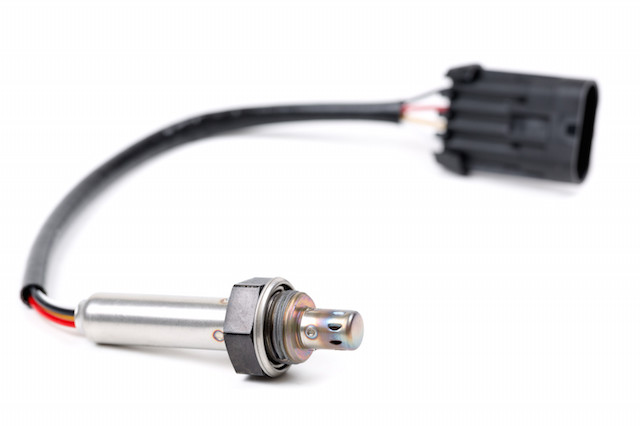
Once you’ve discovered a worn O2 sensor, you need to replace it right away for the health of your engine. Replacing GM O2 sensors is easy and can be done pretty quickly. Once you have your genuine GM replacement O2 sensor in hand, here’s what you do:
- Find the O2 sensor by looking for the spark plug-looking part connected to your vehicle’s exhaust — it will have an electrical connection on it as well.
- Disconnect the connector using a flathead screwdriver and push the tab in on the connection to pull it away.
- Unscrew the O2 sensor from the exhaust pipe using an open-ended wrench.
- Reverse the steps for replacement, making sure not to overtighten the new sensor, which will strip the thread.
- Use a scanner to clear any codes stored in the ECM.
You should now notice a significant difference when you crank and drive your car. Remember to only use high-quality GM replacement parts for peak performance and longevity of the parts.

Author - Matt Mylan
Matt Mylan is a Parts Operations Director with 36 years of experience in the automotive parts industry. He specializes in Chevrolet, Buick, GMC, and Cadillac parts.